You’ve dug something up and it’s caked in mud. The temptation is to scrub it, soak it in vinegar or polish it until it shines. For modern finds that’s often fine. For anything old, it can destroy the object’s historical and financial value in minutes. Here’s how to tell the difference, and what to do with each.
The golden rule
If a find might be old, don’t clean it beyond brushing off loose soil. Official UK guidance from the Portable Antiquities Scheme (PAS), run by the British Museum, is to remove loose soil gently if you need to, but not to try to remove corrosion or polish archaeological finds.
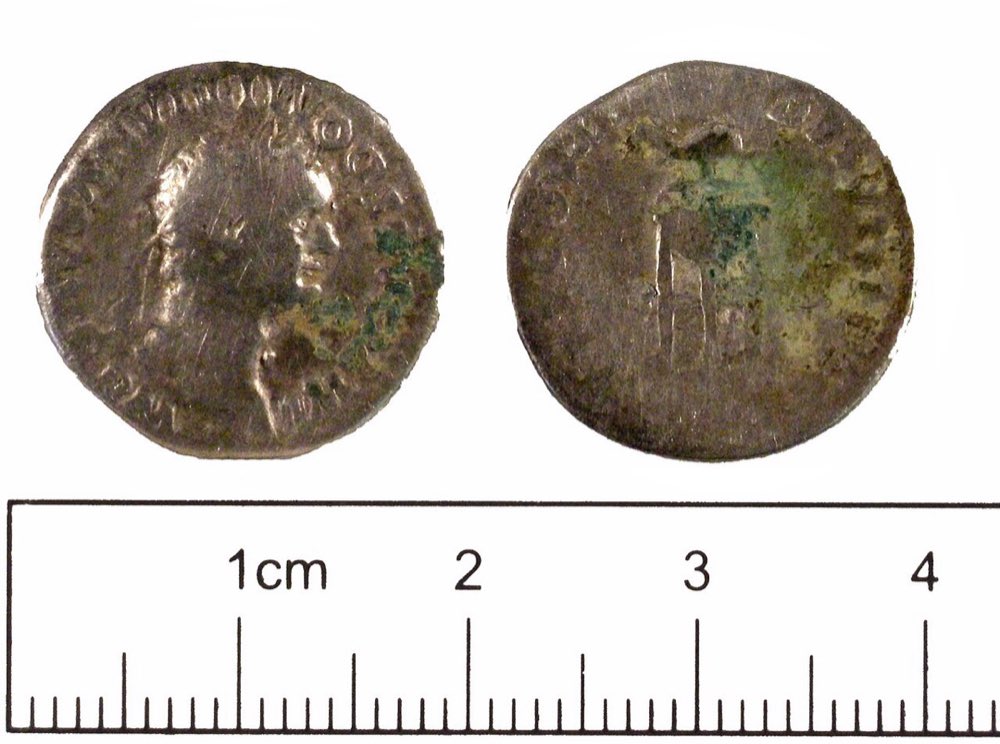
The green, brown or black crust on an old coin or brooch isn’t just dirt. It’s often part of the object’s surface, and it can hold the detail an expert needs to identify it. Remove it, and you can remove the inscription with it. Collectors and dealers also pay much less for coins that have been harshly cleaned.
Step one: sort your finds
| Type of find | Can you clean it? |
|---|---|
| Modern coins (roughly post-1970s decimal) | Yes, gently |
| Modern gold and silver jewellery | Yes, gently |
| Ring-pulls, foil and scrap | No need. Bin it |
| Older coins (hammered, Georgian, Victorian) | Loose soil only |
| Roman, medieval or older objects | Loose soil only. Show a Finds Liaison Officer |
| Iron objects | Loose soil only. Keep dry |
| Anything gold or silver that might be over 300 years old | Don't clean. It may be treasure, which must be reported within 14 days |
If you’re not sure which category something falls into, treat it as old.
How to clean modern coins and jewellery
For modern finds with no historical value, gentle cleaning is fine:
- Rinse off the soil under running water or in a bowl of warm water.
- Use a drop of washing-up liquid and a soft toothbrush for stubborn dirt.
- Rinse and dry thoroughly with a soft cloth.
- Modern gold jewellery usually cleans up with warm soapy water alone, because gold doesn’t corrode. If a ring has an inscription or looks recently lost, think about handing it in to the police. It may be someone’s wedding ring.
Avoid wire brushes, scouring pads and metal polish even on modern coins. They leave scratches.
How to handle older finds
For anything that might be old:
- Let it dry naturally at room temperature, out of direct heat.
- Brush off loose, dry soil with a soft brush, such as a small paintbrush. Stop when the soil stops coming away easily.
- Don’t pick at the corrosion, don’t soak it, and don’t use any chemicals.
- Record where you found it. A GPS pin on your phone is ideal. The findspot matters as much as the object to archaeologists.
- Show it to your local Finds Liaison Officer (FLO). Recording finds with the PAS is voluntary in England and Wales for non-treasure objects, but it’s free, the FLO can identify it, and you get the find back. Your FLO can also advise on whether professional conservation is worthwhile.
Might it be treasure? Gold and silver objects over 300 years old, groups of prehistoric metalwork, and certain other finds count as treasure by law. They must be reported within 14 days, and cleaning them could affect their value to a museum, which also affects any reward. See our guide to what to do if you find treasure.
Methods to avoid on old finds
You’ll see all of these recommended online. They’re fine for a 2p coin from 2010 but damaging for anything historic:
- Vinegar, lemon juice and cola. Acids strip the surface along with the dirt, and can leave a coin pink and pitted.
- Electrolysis. Aggressive and irreversible.
- Tumblers and ultrasonic cleaners. They can wear away detail on soft metals.
- Metal polish, wire wool and wire brushes. They leave scratches that ruin a coin’s value.
- Olive oil soaks. A traditional method, but it’s slow, messy and not recommended for historic objects.
Storing your finds
- Keep metal finds dry. Moisture is what drives corrosion, particularly on iron and on bronze with “bronze disease” (powdery pale green spots).
- Use small resealable plastic bags, one per find, with a note of where and when it was found.
- Add silica gel sachets to the box you keep them in.
- Don’t store iron with other metals, and handle old coins by the edges.
What we recommend for looking after finds
You don’t need a conservation lab. A few cheap items cover everything above.
Soft brushes: Rock Ninja detail brush set (about £7)
These are sold as paintbrushes, but a set of small, soft synthetic brushes is exactly what you want for flicking dry, loose soil off a find without touching the surface underneath. Nine sizes, from very fine to broad. Rated 4.6 stars from over 3,000 Amazon UK reviews. Avoid the brass, steel and fibreglass "scratch brushes" sold for coin cleaning. They're far too harsh for old finds.
Finds bags: write-on grip seal bags (about £4.50 for 100)
One small bag per find, with the date, place and GPS reference written on the white panel. It's the simplest way to keep finds apart and keep their findspot, which is what your Finds Liaison Officer will ask for first. These are 88 x 112mm, rated 4.6 stars from 516 reviews.
Coin capsules: Uncle Paul assorted sizes (about £9)
Once a coin is dry and recorded, a clear capsule protects it from knocks and fingerprints and lets you see both sides. This pack has 20 capsules in six sizes from 20mm to 46mm, which covers everything from a hammered penny to a Victorian penny. Rated 4.4 stars from 1,500 reviews.
Silica gel: wisedry 10g sachets with indicator (about £13 for 30)
Drop a sachet or two into the box where you store your finds to keep the air dry, which slows corrosion. The beads change colour when they're full, and you can dry them out and reuse them. It's the most-reviewed silica gel on Amazon UK, rated 4.5 stars from over 10,000 reviews.
In the field: finds box with scale card (about £12)
A small, tough plastic box that fits in a pocket or finds pouch, so a delicate find doesn't get crushed on the walk back. The removable scale card is handy for photographing finds for your FLO. Rated 4.4 stars from 30 reviews. As an Amazon Associate we earn from qualifying purchases.
Frequently asked questions
Does cleaning a coin reduce its value? For collectable and historic coins, usually yes, often significantly. Collectors can spot a cleaned coin easily.
Can I clean a Roman coin? Brush off loose soil only. Show it to your FLO, who can identify it and advise whether conservation is worthwhile.
How do I clean a green coin? If it’s a modern copper coin, warm soapy water and a soft brush. If it might be old, leave the green alone. It’s part of the coin’s surface.
Should I wash finds in the field? No. Bag them dry and deal with them at home.