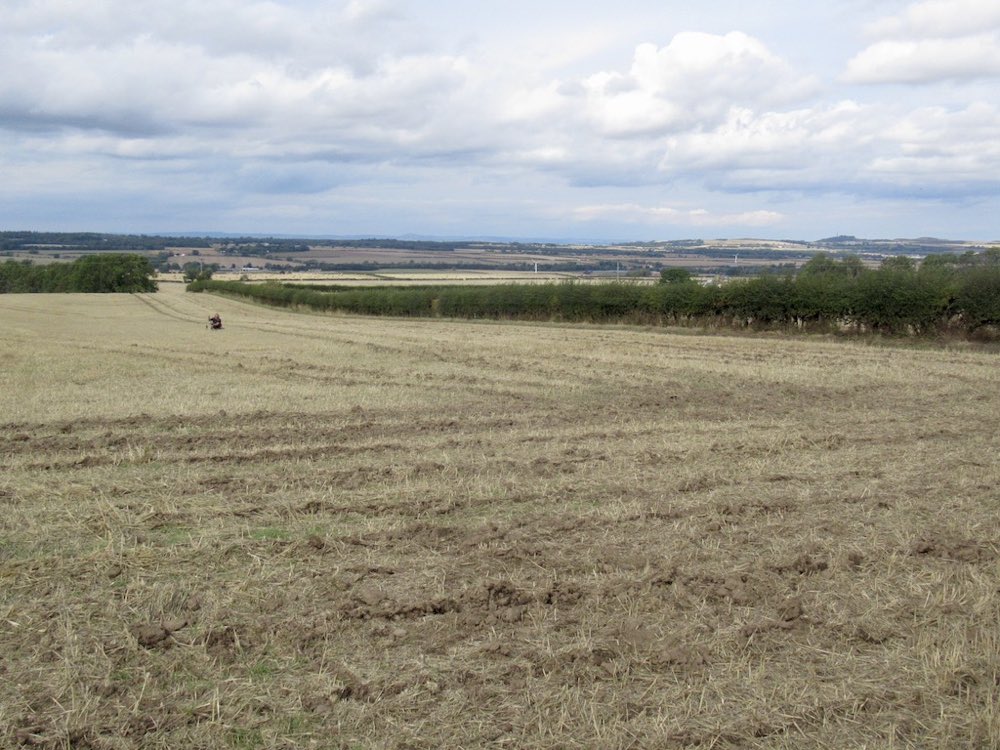
If you’ve learned metal detecting in England or Wales, Scotland will catch you out. There’s no Treasure Act and no voluntary recording scheme here. Instead, Scotland has its own system, Treasure Trove, and it’s much broader: almost any find of archaeological, historical or cultural significance has to be reported, not just gold, silver and hoards.
This guide explains the Scottish rules in plain English. It isn’t legal advice. If you’re unsure about a find, the Treasure Trove Unit (TTU) is the place to ask.
The short version
- Report significant finds: in Scotland, portable antiquities belong to the Crown and must be reported to the Treasure Trove Unit. Historic Environment Scotland says to report within one month of finding.
- It’s not just gold and silver: objects of any material and almost any period can be claimed, including single coins, brooches, buckles and pottery.
- Landowners have no property rights to finds, unlike in England.
- Get permission first, even in public parks, as the TTU advises.
- Never detect on a scheduled monument without permission from Historic Environment Scotland. It’s a criminal offence.
- Rewards are usually paid to the finder when a museum keeps an object.
How Scotland differs from England and Wales
| England and Wales | Scotland | |
|---|---|---|
| Law | Treasure Act 1996 | Common law of Treasure Trove (bona vacantia) |
| What must be reported | Treasure: mainly gold and silver over 300 years old, hoards and some other finds | Any find of archaeological, historical or cultural significance |
| Time limit | 14 days, to the coroner | Within one month, to the Treasure Trove Unit |
| Other finds | Voluntary recording with the PAS | Reporting required if significant |
| Landowner's claim | Shares a treasure reward | No property rights to finds |
For the England and Wales rules, see our UK metal detecting law guide and what to do if you find treasure.
What you have to report
The Treasure Trove Unit says that all portable antiquities of archaeological, historical or cultural significance are subject to claim by the Crown. In practice that covers a huge range: coins (including single coins), brooches, buckles, tools, worked stone, pottery and glass, as well as gold and silver. The Code of Practice says claimed finds are usually more than about 100 years old, but the system covers every period.
A few things go elsewhere:
- Human remains: contact Police Scotland first.
- Shipwreck material: report it to the Receiver of Wreck.
- Natural objects such as fossils and unworked bone aren’t covered.
If you’re not sure whether something counts, report it. The TTU would rather see an ordinary object than miss an important one.
How to report a find
- Record the findspot as precisely as you can. A GPS pin or a grid reference is ideal.
- Photograph the find from several sides, with a scale.
- Report it to the TTU using its online form, or by emailing the form and photos to the address on its website.
- Follow its instructions. You may be asked to hand the find in. The TTU sees finders at National Museums Scotland in Edinburgh by appointment.
- Don’t clean it, and don’t take it out of Scotland without permission from Treasure Trove. See our guide to cleaning finds.
If you find something still in the ground that looks significant, such as a hoard, the TTU’s advice is to leave it in place and cover it over, then contact them.
What happens next, and rewards
The find is assessed, and an independent panel recommends whether the Crown should claim it and which museum should get it. If it’s claimed, the finder is usually paid a reward based on the object’s market value, funded by the museum that receives it. Finds that aren’t needed for a museum are returned to the finder.
Landowners have no automatic share, because they have no property rights to portable antiquities in Scotland. That’s why it’s sensible to agree any sharing with the landowner in writing before you start. Our permission letter template can be adapted for this.
Where you can detect in Scotland
Permission comes first. Scotland’s right of responsible access doesn’t cover digging up and taking objects, and the TTU says you need the landowner’s permission before you detect, including in public parks. If the land is let, get permission from the tenant too.
Scheduled monuments are off limits without consent from Historic Environment Scotland. Check designations before you go.
Beaches: much of Scotland’s foreshore is managed by Crown Estate Scotland, and many beaches are detected regularly, but some foreshore is privately owned or managed by local trusts that ask for permission. Check locally before you travel. See our beach detecting guide.
Gold: Scotland has some of the UK’s best-known natural gold areas, but taking gold has its own rules. See our guide to detecting for gold.
Kit for recording finds properly
Because almost anything significant must be reported in Scotland, good recording matters more than ever.
Finds bags and a finds box
Bag each find separately and write the date and grid reference on it. Write-on grip seal bags cost about £4.50 for 100 and are rated 4.6 stars from 516 reviews. A pocket finds box with scale card (about £12) protects delicate objects and gives you a scale for TTU photos.
A detector that copes with Scottish ground and beaches
The Minelab Vanquish 360 (about £259) is multi-frequency and fully waterproof, which suits wet fields and Scotland's beaches. On a tighter budget, the Vanquish 340 (about £199) is the UK's most recommended beginner detector. See our beginner detector guide.
A pinpointer for smaller, neater holes
The Garrett Pro-Pointer AT (about £117, 4.7 stars from over 8,600 reviews) finds targets fast and is waterproof to 6 metres. See how to use a pinpointer. As an Amazon Associate we earn from qualifying purchases.
Frequently asked questions
Is metal detecting legal in Scotland? Yes, with the landowner’s permission and away from scheduled monuments. You must report significant finds to Treasure Trove.
Do I have to report every find? You must report finds of archaeological, historical or cultural significance. Modern rubbish and recent coins don’t need reporting. If in doubt, report it.
Can I keep what I find in Scotland? If the Crown doesn’t claim a find, it’s returned to you. If it’s claimed, you’re usually paid a reward instead.
Is there finders keepers in Scotland? No. Unreported significant finds aren’t yours to keep, and failing to report them can lead to criminal charges.
Do I need a licence? No licence is needed, but you need permission to be on the land, and consent for any scheduled site.