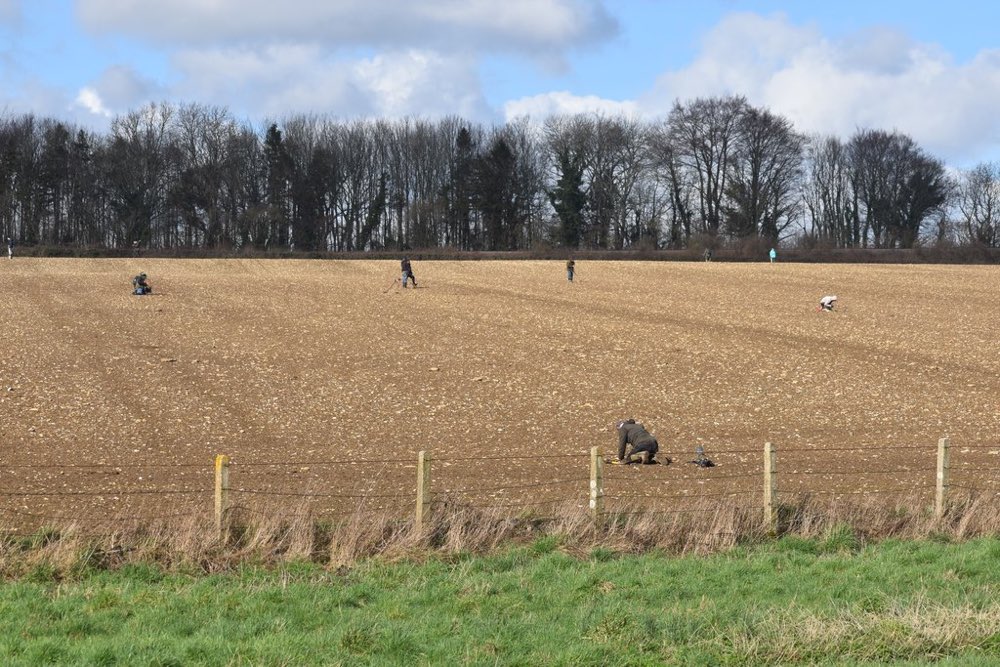
Insurance isn’t a legal requirement for metal detecting in the UK. You don’t need a licence either, apart from Northern Ireland’s rules on searching for archaeological objects. But in practice, most detectorists carry public liability insurance, because many landowners, clubs and rallies won’t let you detect without it. The good news is that it’s cheap.
The short answer
- Legally required? No.
- Needed in practice? Usually. Many farmers, clubs and rallies ask for proof.
- What most UK detectorists use: National Council for Metal Detecting (NCMD) membership, which costs £8 a year and includes public liability cover of up to £10 million.
What public liability insurance covers
Public liability insurance pays out if you’re held legally responsible for injuring someone or damaging their property while you’re detecting. For example:
- A cow breaks a leg in a hole you didn’t fill in properly.
- You damage a land drain or a crop while digging.
- Someone trips over your spade at a rally.
It doesn’t cover your own equipment against theft or damage. For that, you’d need separate cover, such as adding your detector to home contents insurance as a named item away from home.
Why landowners ask for it
A farmer letting you onto their land takes on a small risk. If something goes wrong, they want to know it won’t come back to them. Offering proof of insurance up front, alongside a written permission agreement, is one of the easiest ways to get a yes. See our guide to getting permission and our permission letter template.
NCMD membership
What the NCMD says its membership includes: public liability cover of up to £10 million with no excess; cover at commercial rallies, private digs and group digs; cover while detecting on trips to Europe; up to three children aged 10–16 added free; a digital membership card; access to the NCMD app for recording finds; and a fund to help with excavation costs for major finds. It costs £8 a year.
Always check the current terms on the NCMD website before you rely on the cover, as benefits and prices can change.
Does a club include insurance?
Some clubs arrange cover for members, and many require you to have NCMD membership as a condition of joining. Ask the club when you sign up. See our guide to clubs and rallies.
Keeping claims unlikely
Insurance is a backstop. The code of conduct most UK detectorists follow is what keeps you from needing it:
- Fill every hole neatly and replace the turf.
- Leave gates as you found them, and stay away from livestock and crops.
- Take your rubbish home.
- Don’t touch live ammunition. Mark the spot and tell the police and landowner.
Kit that helps you leave land as you found it
A proper detecting spade and a pinpointer
Neat holes are the best way to keep landowners happy and claims unlikely. The CKG carbon detecting shovel (about £64) cuts a clean, hinged plug, and a pinpointer such as the Garrett Pro-Pointer AT (about £117) means smaller holes. See our spade guide and pinpointer guide.
A finds pouch with a rubbish pocket
Taking your scrap away is part of being a good guest. The CKG finds bag (about £27, 4.7 stars from 440 reviews) has separate pockets and a pinpointer holster. As an Amazon Associate we earn from qualifying purchases.
Frequently asked questions
Do I need insurance to detect on my own land? No, and you’re unlikely to need public liability cover in your own garden. It matters when you’re on someone else’s land.
Does NCMD insurance cover beaches? It’s public liability cover for detecting activities. Check the NCMD’s current terms for any exclusions.
Is NCMD insurance enough for a rally? The NCMD says its cover includes commercial rallies. Some organisers have their own requirements, so check when you book.