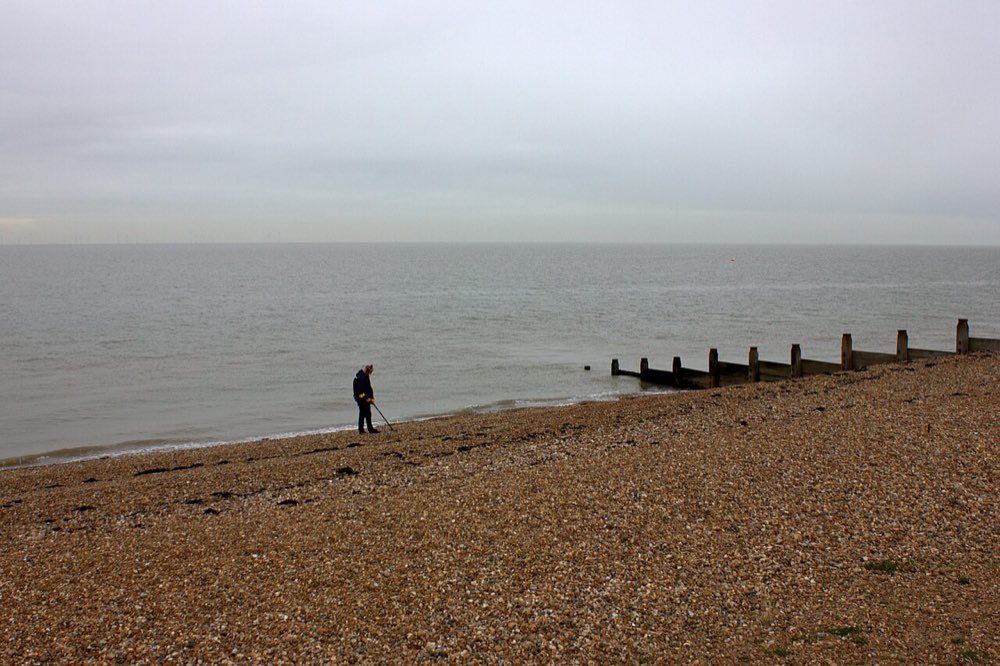
Sea glass is broken glass that the sea has worn smooth and frosted. Every piece started life as a bottle, a jar, a window or a tableware offcut, and ended up in the water - thrown overboard, washed down a river, tipped off a cliff from a factory. Decades of being rolled in sand and shingle round off the edges, and the seawater slowly changes the surface until it turns from clear to frosted.
Britain is one of the best places in the world to find it, because Britain spent two centuries making glass and throwing the waste into the sea. This guide covers what sea glass is, where to look, which colours are worth getting excited about, how to tell real sea glass from tumbled fakes, and the question people rarely ask until they are standing on the beach with a pocketful: are you allowed to take it?
The short answer
- Sea glass is waste glass shaped by the sea, usually over 20 to 50 years or more.
- The best UK beaches are near old glassworks, bottle dumps and busy harbours. Seaham in County Durham is the most famous.
- Rare colours are red, orange and yellow. Most pieces are white, green and brown.
- Fakes are common. Glass frosted in a rock tumbler is sold as sea glass.
- Taking a little home is generally fine. It is not a natural beach material, and The Crown Estate says small-scale collection for personal use needs no licence. On the few beaches covered by a Coast Protection Act order, do not take it in quantity.
How sea glass forms
Two things happen to a piece of glass in the sea.
The edges round off as waves roll it against sand, shingle and rock. That part is mechanical, and on a rough shingle beach it can happen surprisingly fast.
The surface frosts, which takes much longer. Seawater slowly draws soluble sodium and calcium out of the glass surface, leaving a thin, altered layer full of microscopic pits. Those pits scatter light instead of letting it through, which is why genuine sea glass looks frosted when dry and clears a little when wet. Most estimates put a properly frosted piece at 20 to 50 years in the water, and some much older.
That chemical frosting is the key to telling real sea glass from fake (see below).
Seaham, and why it is the most famous sea glass beach in Britain
Seaham, on the Durham coast, owes its sea glass to the Londonderry Bottle Works. John Candlish opened the works in 1853, and it grew into one of the largest glass bottle makers in Britain - by one account turning out up to 20,000 hand-blown bottles a day. Waste glass and offcuts from the works were tipped straight into the sea. The works closed in 1921, but the sea has been returning the glass ever since.
What makes Seaham special is the “multis” - pieces with swirls of several colours, which collectors trace to mixed waste glass from the works. They are prized by collectors well beyond the UK. Visit County Durham promotes sea glass hunting on Seaham’s beaches, and local collectors still find plenty of pieces after rough weather.
Where else to look
You will not find many named “sea glass beaches” in official guides, but the pattern is predictable. Look for:
- Beaches near old glassworks, bottle works and potteries, especially on the industrial north-east coast.
- Beaches below old town dumps and cliff-top tips, where Victorian and early 20th-century rubbish went over the edge.
- Beaches near old harbours and busy shipping routes, where generations of bottles went overboard.
- Shingle beaches rather than fine sand, because shingle does the grinding and tends to hold the glass on the surface.
When to go: after a storm or a run of strong onshore winds, on a falling tide, working along the strandline and the lower shingle. Winter is better than summer for the same reason it is better for beach detecting - storms move material and fewer people have been there first.
Colours, and which ones are rare
The colour of sea glass tells you what the original glass was.
- Common: white (from clear glass), green and brown - beer, wine and medicine bottles.
- Less common: aqua, soft blue, cobalt blue (old medicine and poison bottles), lavender (clear glass that has turned purple in sunlight because of manganese in the original mix).
- Rare: yellow, red and orange. Red glass often needed gold or copper to colour it, so far less was made, and orange was rarer still. Collectors’ estimates put red at roughly one piece in 5,000 and orange at one in 10,000.
A tip for yellow and green: some old glass was made with uranium, which glows bright green under ultraviolet light. Collectors take a UV torch out at dusk or night to find it - a striking way to beachcomb, and the reason some pieces that look ordinary by day are worth a second look.
Real sea glass or tumbled fake?
Because good pieces sell, there is a steady supply of glass frosted in a rock tumbler or with acid and sold as sea glass. Signs of the real thing:
- Frosting with tiny C-shaped marks and pits, which collectors look for with a lens, rather than an even, sandblasted matt.
- Uneven wear - thicker parts and edges rounded differently.
- Old features such as bubbles in the glass, bottle seams, embossed lettering or the base of a bottle.
- Colours and thicknesses that match old glass, rather than modern thin bottle glass.
Tumbled glass is not a bad thing in itself. Plenty of people tumble broken bottle glass to use in craft and jewellery. It just is not sea glass, and should not be sold as if it were.
Can you legally take sea glass from a UK beach?
For a pocketful, almost always yes. There are three things worth knowing.
It is not natural beach material. The law that restricts taking pebbles, sand and shingle - section 18 of the Coast Protection Act 1949 - only applies on stretches of seashore covered by a confirmed order, and it is aimed at the natural materials that protect the coast. Sea glass is rounded litter. Our guide to taking pebbles from UK beaches explains how those orders work. On a beach covered by one, we would still avoid taking glass in quantity.
The landowner’s position. The Crown Estate, which owns around half the foreshore in England, Wales and Northern Ireland, says collection for personal use needs no licence and that it is content for small quantities to be collected, while asking people to take account of the environmental sensitivity of collecting anything from the wild. Councils and private owners set their own rules, but we are not aware of any that object to a few pieces of glass being picked up.
Protected sites and old finds. On a protected nature site, do not dig or disturb the beach to look. And if what you pick up is not sea glass but a complete old bottle, a stoneware jar or something with a maker’s mark, it may be interesting to the local museum - though on the foreshore, finds generally belong to the landowner unless they are treasure.
The kit
Sea glass hunting needs no equipment beyond a bag and good eyes, but a few things help. We have not tested these items for beachcombing.
To keep pieces safe: write-on grip seal bags (about £4.50 for 100)
Write the beach and date on the bag. It matters more than you would think once you have a jar of glass from ten different beaches. 4.6 stars from 516 reviews.
To display the best pieces: clear coin capsules in six sizes
Coin capsules suit small, special pieces - a red, a multi, a bottle stopper - and keep them from scratching. Rated 4.4 stars from 1,500 reviews.
For uranium glass: a 365nm UV torch
A torch at the 365nm ultraviolet wavelength makes uranium glass glow green, and turns a dusk walk along the strandline into a different kind of hunt. We have not picked a single model; the link shows current options.
For craft glass, not sea glass: Professional Rock Tumbler Machine (about £50)
If you want frosted glass for craft or jewellery, a rotary tumbler will produce it from broken bottle glass. It is the highest-rated tumbler in our rock tumbler guide at 4.7 stars. Just call the result tumbled glass, not sea glass.
Prices and ratings were last checked between October and November 2026 and will have moved.
Frequently asked questions
What is sea glass? Glass that has been worn smooth and frosted by years in the sea. It starts as broken bottles, jars and other waste glass, and takes decades to develop its rounded edges and frosted surface.
Where is the best place to find sea glass in the UK? Seaham in County Durham is the best known, thanks to waste from the Londonderry Bottle Works, which operated from 1853 to 1921. More generally, look on shingle beaches near old glassworks, town dumps and harbours, after a storm.
Is it illegal to take sea glass from the beach? Generally no. Sea glass is not a natural beach material, and The Crown Estate says small-scale collection for personal use needs no licence. On the few beaches covered by a Coast Protection Act order, avoid taking it in quantity.
What colour sea glass is the rarest? Orange and red are the rarest, at roughly one piece in 10,000 and one in 5,000 by collectors’ estimates. Yellow is also scarce. White, green and brown are the most common.
How long does sea glass take to form? Typically 20 to 50 years to frost properly, and sometimes much longer. Edges can round off faster on a rough shingle beach.
How can you tell if sea glass is real? Real sea glass has a frosted surface covered in tiny C-shaped marks and pits, uneven wear, and often old features like bubbles or bottle seams. Tumbled fakes tend to have an even, sandblasted finish.
What is a Seaham multi? A piece of sea glass with swirls of several colours, which collectors trace to mixed waste glass from the Londonderry Bottle Works. They are highly prized by collectors.
Can I sell sea glass I find? Selling a few pieces you have found is common, but if you collect in quantity to sell, check with the landowner first. And never sell tumbled glass as sea glass.